
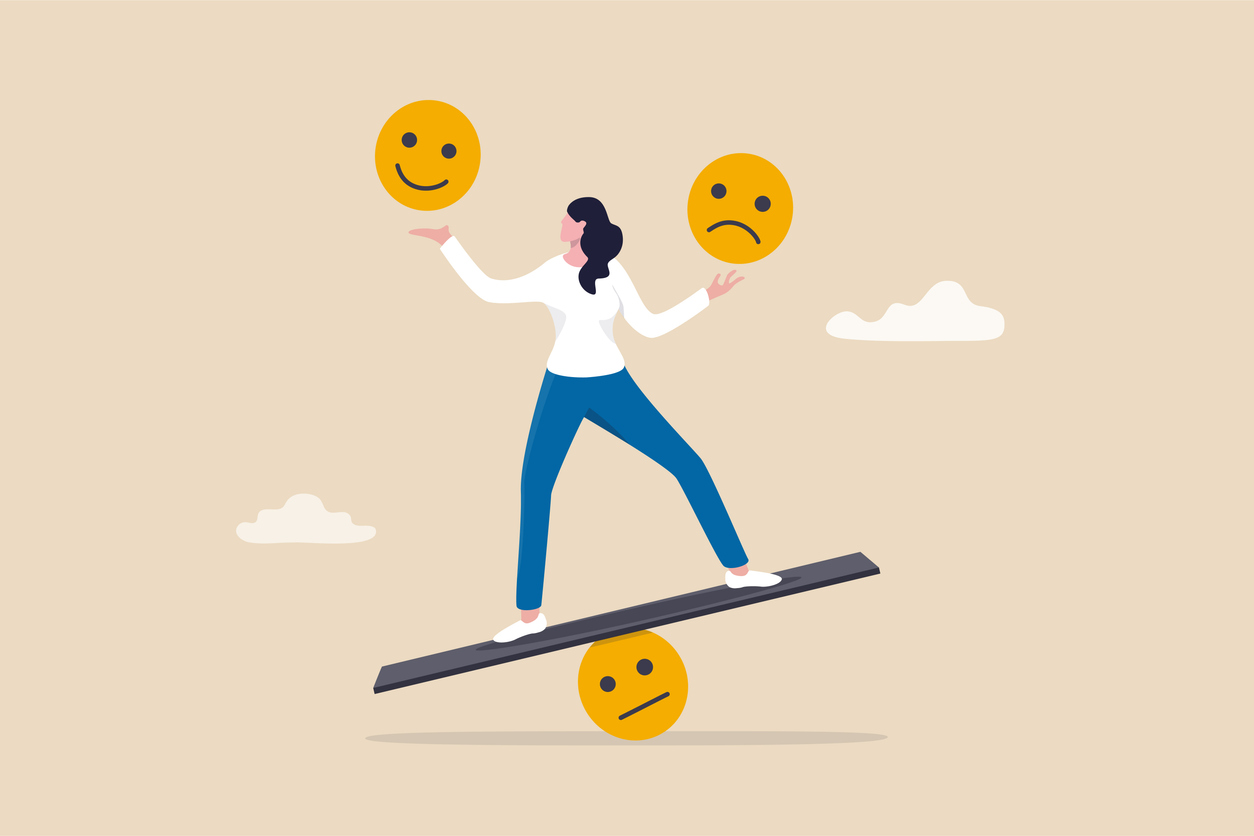
By mid-January, many people in Portland find themselves feeling unexpectedly low. The holidays are over, the lights are packed away, social calendars have quieted, and what’s left is often exhaustion, emotional flatness, or a sense of being overwhelmed without a clear reason why.
This post-holiday emotional crash is incredibly common — and rarely talked about. While December is filled with stimulation, expectations, and constant engagement, January brings contrast. The nervous system finally slows down, and when it does, unresolved stress often rises to the surface.
Hypnosis offers a gentle, effective way to restore emotional balance during this transitional time, helping Portland residents reset their nervous systems and move forward feeling grounded instead of depleted.

Why the Emotional Crash Happens After the Holidays
The holiday season keeps the mind and body in a heightened state. Even joyful events require emotional energy. Planning, socializing, managing family dynamics, and meeting expectations all place pressure on the nervous system.
Once January arrives, that pressure suddenly disappears — but the stress doesn’t automatically resolve.
Common post-holiday emotional symptoms include:
- Persistent fatigue despite rest
- Irritability or emotional numbness
- Difficulty focusing
- Anxiety without a clear trigger
- Guilt or sadness after “supposedly happy” weeks
In Portland, where winter weather already limits sunlight and outdoor activity, these emotional effects can feel even heavier. The issue isn’t weakness — it’s unprocessed emotional load.

The Nervous System Needs Recovery, Not More Effort
Many people respond to January overwhelm by trying to “push through.” They add stricter routines, productivity goals, or self-criticism, believing discipline will fix the discomfort.
Unfortunately, this approach often backfires.
When the nervous system is overloaded, pressure increases stress rather than resolving it. The subconscious mind begins to associate January with emotional strain, making balance harder to achieve.
Hypnosis helps by shifting the body out of survival mode and into a state of safety, where recovery can actually occur.

How Hypnosis Helps Regulate Emotional Overwhelm
Hypnosis works directly with the subconscious mind — the part responsible for emotional regulation, stress response, and internal safety cues.
Through guided hypnosis sessions, clients often experience:
- Deep physical relaxation that calms the nervous system
- Emotional release without reliving stressful events
- Reduced anxiety and mental clutter
- Improved sleep and focus
- A renewed sense of emotional steadiness
Rather than analyzing stress, hypnosis helps the mind let go of it. This is especially beneficial during Portland’s darker winter months, when emotional fatigue can quietly build.
Learn more about this supportive approach at the Gresham Hypnosis Center home page.

Why Emotional Overwhelm Is Often Subconscious
Many clients are surprised to learn that emotional overwhelm isn’t always connected to current circumstances. The subconscious mind stores emotional responses from months — sometimes years — of accumulated stress.
The holidays often act as a trigger, bringing old patterns to the surface:
- People-pleasing habits
- Family-related emotional tension
- Financial stress responses
- Difficulty resting without guilt
Hypnosis allows the subconscious mind to reprocess these patterns safely, without forcing conversation or emotional labor.

Hypnosis as Emotional Reset, Not Escape
One common misconception is that hypnosis is about avoidance or distraction. In reality, it’s about restoring balance so emotions can settle naturally.
Clients working with hypnosis often report:
- Feeling calmer without emotional numbness
- Responding instead of reacting
- Greater emotional resilience during stressful moments
- Improved ability to set boundaries without guilt
For those dealing with chronic stress, hypnosis complements the techniques outlined on the stress reduction page, offering deeper subconscious support.
When Emotional Overwhelm Impacts Habits and Health
Emotional imbalance often shows up indirectly through habits. In January, this may include:
- Emotional eating
- Increased cravings
- Difficulty staying consistent with wellness goals
- Returning to old coping mechanisms
Hypnosis helps address the emotional root, which supports healthier choices naturally. This connection is especially helpful for individuals exploring weight-related goals through the weight loss hypnosis program or those trying to move away from stress-based habits like smoking, supported by the quit smoking hypnosis approach.

A Calmer Way Forward for Portland
January doesn’t have to feel heavy. Emotional balance isn’t about forcing positivity or rushing recovery — it’s about allowing the nervous system to reset at its own pace.
For Portland residents navigating post-holiday overwhelm, hypnosis offers a supportive, grounded path forward. By working with the subconscious mind, emotional calm becomes something you return to, rather than something you chase.