
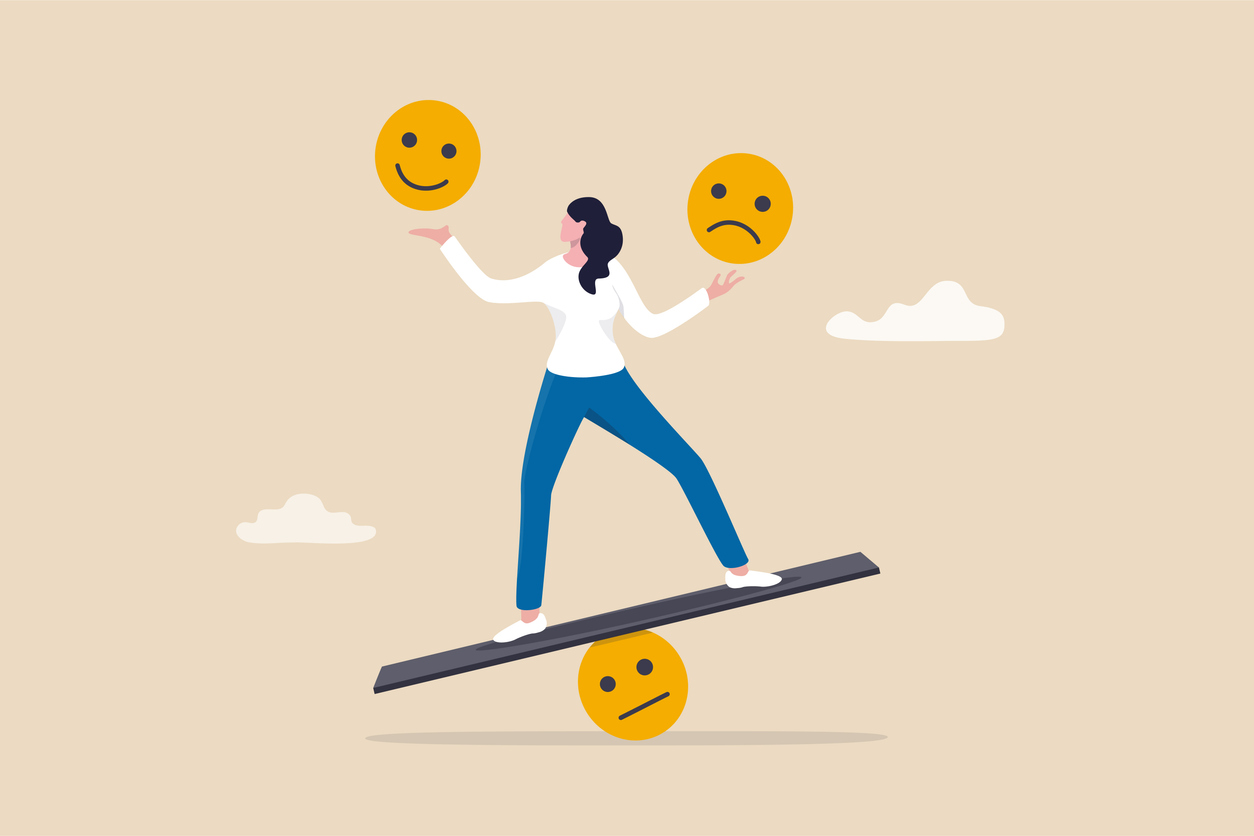
Drive east along Sunnyside Road and begin climbing toward the neighborhoods above Rock Creek. Wind upward past Scouters Mountain Elementary. Curve through newer developments where homes tier along the hills with views stretching toward Mount Hood on clear days.
Happy Valley is physically elevated.
And elevation changes psychology.
Unlike the grid of inner Portland or the flat commuter corridors of East County, Happy Valley’s terrain constantly rises. Streets slope. Driveways tilt. Backyards cascade downward. The body subtly adjusts to incline without conscious thought.
The nervous system does the same.
In hillside communities, pressure often rises quietly — not because life is chaotic, but because expectations are consistently high.

The Achievement Climate of the Hills
Happy Valley has grown rapidly over the past two decades. New construction, expanding subdivisions, highly rated schools, competitive youth athletics, and dual-career households define much of its culture.
In neighborhoods off 172nd, near Mount Scott Creek, or clustered around newer HOA developments, daily life often revolves around structure:
- Early commutes toward Clackamas Town Center or I-205
- Packed school calendars
- Organized extracurricular schedules
- Long-term financial planning
- Property investment conversations
This creates stability.
It also creates a baseline of performance.
When performance becomes normalized, confidence becomes conditional.

Control as a Subconscious Safety Mechanism
Many individuals in Happy Valley don’t report “low confidence.”
They report tension.
- Overplanning.
- Difficulty relaxing.
- Irritation when plans shift.
- Anxiety before events that should feel routine.
This is not insecurity.
It is the subconscious equating control with safety.
Living in an environment where homes are visibly maintained, schedules are tightly managed, and achievement is common increases internal self-monitoring. The brain begins scanning for slippage — academically, financially, socially.
Control feels protective.
But long-term control erodes ease.
At Gresham Hypnosis Center, this pattern frequently presents as high-functioning individuals who feel exhausted maintaining steadiness.
They don’t want to slow down.
They want to feel less braced.

Hills Create Forward Lean
There is a physical truth about incline: you must lean forward to climb.
Over time, constant forward lean creates muscular strain.
Psychologically, constant forward orientation does the same.
In hillside neighborhoods overlooking the valley below, life can subtly feel like a climb — next promotion, next milestone, next improvement.
March intensifies this.
Winter quiet fades. Spring schedules accelerate. Social comparison increases as outdoor gatherings return.
If internal confidence is built on control, acceleration feels threatening rather than energizing.

When Stress Hides Inside Structure
In high-achievement environments, stress rarely looks chaotic.
It looks organized.
Color-coded calendars. Detailed spreadsheets. Long-range planning.
The nervous system, however, does not differentiate between chaotic stress and structured stress. Sustained activation is sustained activation.
Many residents begin exploring hypnosis for stress reduction when they recognize that relaxation no longer happens naturally.
They can schedule productivity.
They cannot schedule calm.
Hypnosis works by shifting the body out of chronic vigilance and into parasympathetic regulation. When the nervous system recalibrates, control softens without sacrificing performance.
Visibility and Body Confidence
Hillside communities often increase visibility. Open sightlines. Elevated decks. Community trails. School events. Neighborhood gatherings.
With increased visibility comes increased comparison.
As spring approaches and wardrobes shift, body awareness can intensify — particularly in communities where wellness and fitness are highly valued.
For individuals noticing emotional eating patterns or self-criticism resurfacing, exploring hypnosis for weight loss can address the emotional drivers behind comparison rather than enforcing restrictive habits.
Confidence deepens when it is internal, not observational.
The Cost of Always “Holding It Together”
One of the most common phrases heard from high-achieving parents and professionals in Happy Valley is:
“I just need to keep everything steady.”
That sentence reveals the pressure.
Steadiness becomes a performance.
When setbacks occur — a child struggling academically, a financial surprise, a missed opportunity — the subconscious reacts strongly because control feels threatened.
Hypnosis retrains this reaction.
Instead of equating unpredictability with danger, the subconscious learns flexibility. When flexibility increases, self-trust returns.
Releasing Long-Standing Coping Behaviors
In environments of sustained performance, coping habits often form quietly. Increased caffeine. Evening alcohol. Nicotine during stress spikes.
March is often when these behaviors become noticeable.
Addressing patterns through hypnosis to quit smoking or stress-focused sessions can restore alignment between behavior and long-term goals.
When habits support well-being rather than compensate for stress, confidence stabilizes.
Stepping Back From the Edge of Control
The goal is not to lower ambition.
It is to lower tension.
At Gresham Hypnosis Center, sessions are tailored to help individuals in Happy Valley recalibrate subconscious pressure patterns without losing momentum.
Elevation does not require constant forward lean.
When the nervous system learns that safety does not depend on control, confidence becomes steady rather than conditional.
Spring then feels expansive — not demanding.