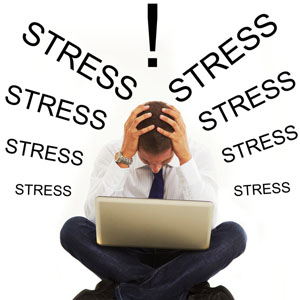
For a lot of people in Portland, stress doesn’t arrive dramatically.
It rebuilds quietly.
You feel better for a while. More balanced. More focused. Maybe you’ve started sleeping better or reacting less emotionally. You think you’re finally getting ahead of it.
Then something shifts.
A demanding week in the Pearl District. Back-to-back meetings in South Waterfront. Creative deadlines stacking up in Alberta or Hawthorne. Suddenly, the tension is back.
Your mind speeds up again.
Your body tightens again.
And you start wondering:
“Why did this happen so fast?”
This is one of the most common experiences people have after initial improvement — especially high-functioning professionals in Portland.

Portland’s Stress Culture Is Subtle
Unlike cities where stress looks aggressive or chaotic, Portland stress often hides behind functionality.
People still show up. Still work. Still perform.
But internally, many professionals operate in a constant state of nervous system activation.
In areas like:
- the Pearl District
- South Waterfront
- Hawthorne
- inner East Portland
daily life often includes:
- performance pressure
- overstimulation
- constant mental engagement
- blurred work/life boundaries
The nervous system adapts to that environment.
And once it adapts, stress becomes the baseline.

Why Stress Returns So Quickly
Many people assume stress comes back because they “failed.”
That’s usually not true.
Stress patterns return because the brain recognizes familiar environments and automatically reactivates old responses.
For example:
- the inbox fills up
- meetings pile together
- commute traffic worsens
- sleep decreases for a few nights
The subconscious interprets those signals as:
“We’re back in survival mode.”
The old pattern restarts automatically.
This is why stress often returns before you consciously notice it.
High-Functioning People Often Miss the Early Signs
One reason Portland professionals struggle with recurring stress is because they’re good at functioning through it.
The early warning signs are easy to ignore:
- shortened patience
- mental fatigue
- tight shoulders or jaw tension
- difficulty slowing thoughts down
- needing constant stimulation or distraction
None of these feel severe individually.
But together, they signal that the nervous system is ramping back up.
At Gresham Hypnosis Center, this pattern is extremely common among professionals who appear outwardly calm but internally feel like they are always “on.”
Stress Patterns Are Learned Responses
This is important:
Stress is not always caused by the current situation.
Often, it’s caused by the brain anticipating pressure before it happens.
Over time, the subconscious builds associations like:
- work = tension
- responsibility = alertness
- downtime = catching up mentally
Eventually, the body responds automatically.
That’s why many people exploring hypnosis for stress reduction realize they’re not just trying to relax.
They’re trying to retrain their baseline response.
Why Temporary Relief Doesn’t Last
A weekend off can help temporarily.
So can vacations.
But if the subconscious pattern stays intact, the nervous system usually snaps back into stress mode quickly once routines resume.
This is why people often feel:
- calm away from work
- tense the moment Monday begins
The environment triggers the pattern automatically.
Hypnosis works differently because it targets the response itself — not just the symptoms.
What Hypnosis Helps Reinforce
At Gresham Hypnosis Center, hypnosis is used to reinforce:
- calmer baseline reactions
- reduced hypervigilance
- improved emotional regulation
- less subconscious anticipation of stress
This is especially important for professionals whose nervous systems have adapted to constant mental stimulation.
The goal is not removing ambition.
It’s removing automatic tension.
Signs the Stress Pattern Is Returning
One of the most useful things people can learn is how to recognize stress reactivation early.
Common signs include:
- overthinking small tasks
- feeling mentally “busy” constantly
- emotional irritability
- needing more caffeine to stay steady
- trouble being present during conversations
These are not personality flaws.
They’re nervous system signals.
Recognizing them early prevents the full pattern from rebuilding.
Why Reinforcement Sessions Matter
This is where many people misunderstand hypnosis.
The first breakthrough is important.
But reinforcement is often what makes the change durable.
Long-standing stress patterns may need:
- repetition
- reinforcement
- nervous system retraining over time
Especially in high-pressure urban environments like Portland.
That’s normal.
The goal is not one perfect session.
The goal is long-term regulation.
Stress Often Connects to Other Patterns
As stress rebuilds, related habits often return too:
- emotional eating
- smoking urges
- sleep disruption
- difficulty slowing down at night
This overlap is why some people continue working on additional patterns through hypnosis for weight loss or hypnosis to quit smoking while addressing anxiety and stress simultaneously.
The nervous system rarely compartmentalizes these behaviors.
What Long-Term Change Actually Looks Like
Long-term change does not mean:
“never feeling stressed again.”
It means:
- recovering faster
- reacting less intensely
- noticing stress earlier
- returning to calm more naturally
That’s the real shift.
Not perfection.
Stability.
A Clear Next Step
If you’re in Portland and noticing that stress keeps rebuilding no matter how much progress you make, it may not be a motivation issue.
It may be a subconscious pattern that hasn’t fully stabilized yet.
Many professionals exploring hypnotherapy in Portland continue working with Gresham Hypnosis Center not just to reduce stress initially, but to reinforce the changes so they become lasting.
You don’t need to keep starting over every Monday.
You may just need a nervous system that no longer defaults to pressure.